Updated
Losar is the Tibetan New Year, celebrated in the Darjeeling and Kalimpong hills by Tibetan, Sherpa and other Buddhist communities. The festival starts on the first day of the Tibetan lunisolar calendar, which usually falls in February or early March, and can last fifteen days, though the main celebrations are on the first three. For visitors the highlight is the cham, the masked dance performed by monks in monastery courtyards around the turn of the year.
Origins and meaning
Losar means "new year" in Tibetan. Several Himalayan communities keep their own versions: Gyalpo Losar, observed by Tibetans and Sherpas in February or March, is the one most visible in the hills of north Paschim Banga, while Sonam Losar of the Tamang community and Tamu Losar of the Gurungs fall earlier, in December or January. Because the calendar is lunisolar, the date moves each year.
In 2026 Losar fell on 18 February. The festival is a time for visiting the local monastery, where ceremonies of chanting, sacred readings, music and dance are held, and for family gatherings at home.
The cham dances
Cham is a masked and costumed dance belonging to several schools of Tibetan Buddhism. It is performed at monastery festivals, and the dances around Losar include the Gutor cham, which acts out the struggle between good and evil and ends in the ritual destruction of evil. Many chams tell episodes from the life of Padmasambhava, the teacher credited with bringing Buddhism to Tibet. For the monks the dance is a meditation and an offering, believed to bring blessings to those who watch.
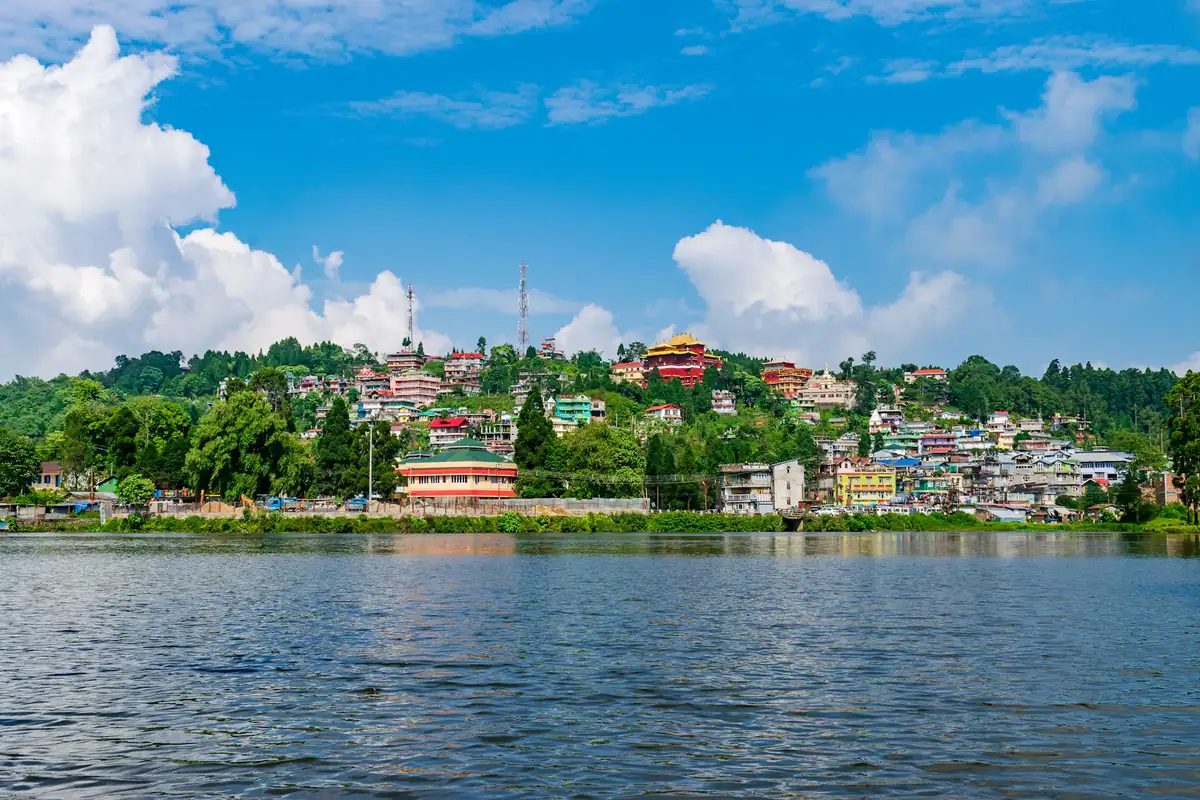
At Bokar Monastery in Mirik, home to more than 500 monks and a Tibetan community settled there since 1984, the whole neighbourhood, Buddhist and Hindu alike, gathers to watch the dance, and monks visit homes in the area during the festival.
Where to experience Losar
In Darjeeling, Ghoom Monastery and the Bhutia Busty monastery are among the places that mark Losar; in Kalimpong, Losar has been marked at Buddhist institutions such as the Karmapa-linked Diwakar Buddhist Academy, with pujas the day before the new year and ceremonies after it; and Bokar Monastery in Mirik is known for its cham. Schedules are set by each monastery according to the calendar, so ask locally or at your hotel for the dates of the dances. Homes prepare festive foods such as khapse, fried pastry twists, and serve warm barley beer, chang.
Visitor tips
February and March are cold in the hills, especially in the early morning when rituals often start, so dress warmly. Monastery courtyards are places of worship: dress modestly, keep to the edges during the dances, and ask before photographing monks.
Losar in the hills: questions
When is Losar celebrated in Darjeeling?
Usually in February or early March, on the first day of the Tibetan lunar year. The date changes every year, so check with local monasteries.
What is a cham dance?
A masked, costumed dance performed by monks at Tibetan Buddhist festivals, often showing the triumph of good over evil.
Can tourists watch Losar celebrations?
Cham dances take place in monastery courtyards with local people watching; visitors who behave respectfully can usually look on from the edges.
What is eaten at Losar?
Festive foods include khapse, crisp fried pastry twists, and chang, a barley beer served warm.