Updated
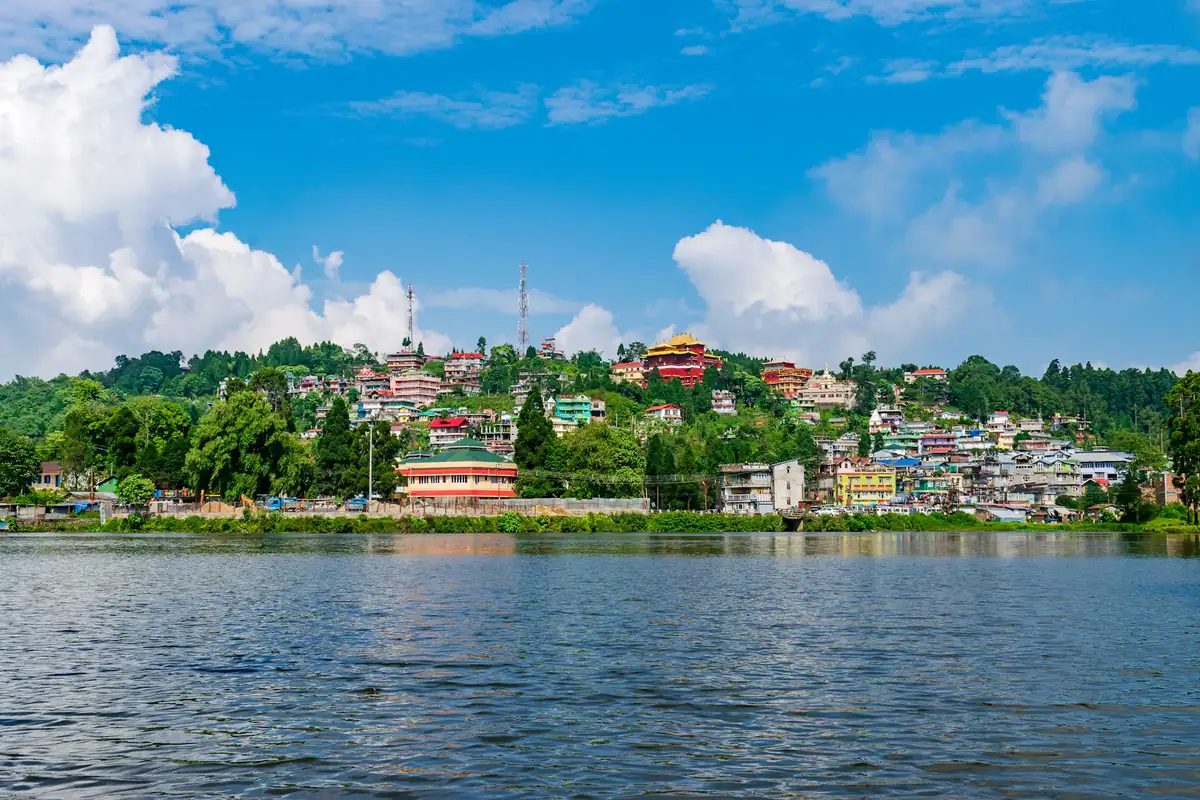
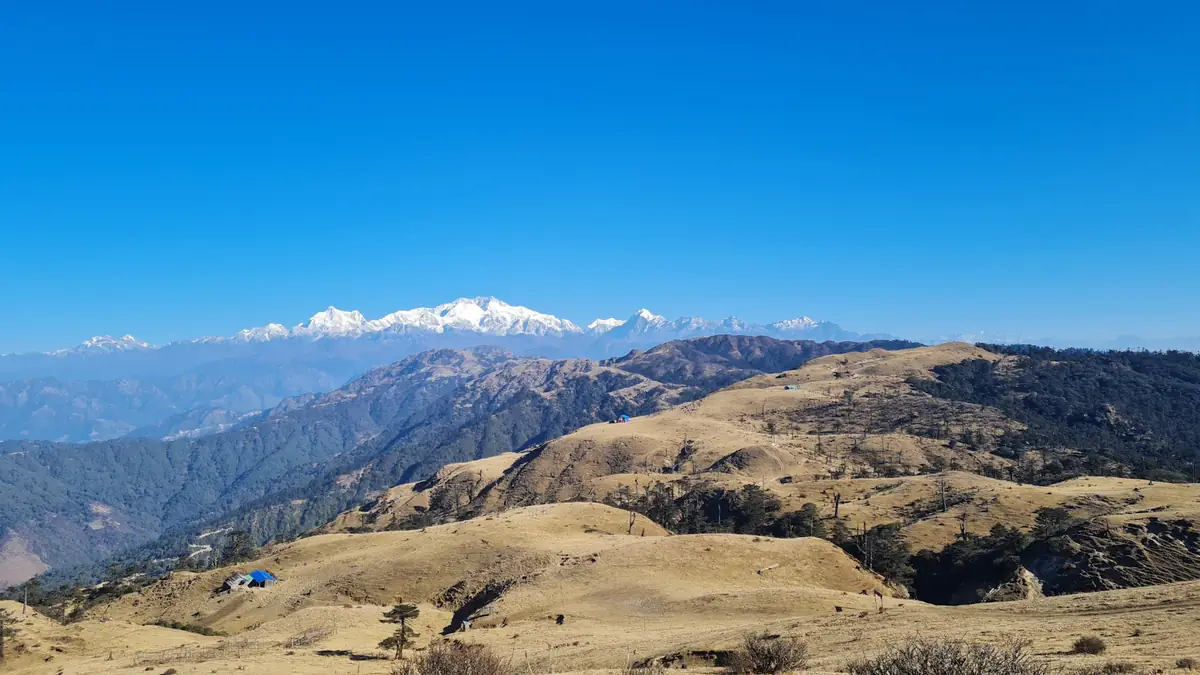
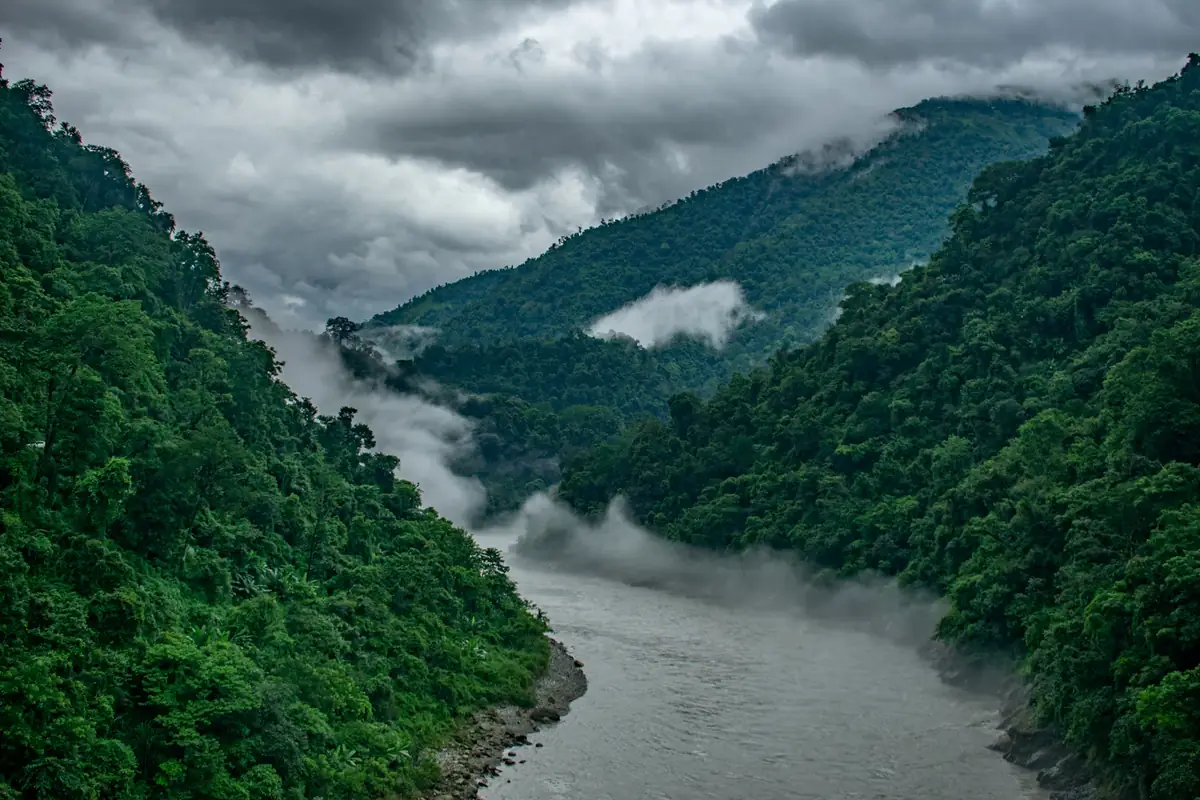
Darjeeling is the northernmost district of Paschim Banga, wedged between Nepal to the west, Sikkim to the north and Bangladesh to the south-east, with Bihar's Kishanganj district to the south-west. In about 3,149 sq km it climbs from the Terai plains around Siliguri, barely above sea level, to the Singalila Ridge on the Nepal border, where Sandakphu, at 3,636 m, is the highest point in the state. Between the two lie the hill towns of Kurseong, Mirik and Darjeeling, the toy train line and some of the most famous tea gardens in the world.
The district has four subdivisions: Darjeeling Sadar, Kurseong and Mirik in the hills, and Siliguri on the plains. Kalimpong, once part of it, became a separate district on 14 February 2017. The hill subdivisions are administered for many purposes by the Gorkhaland Territorial Administration, set up in 2012. Nepali is the most widely spoken first language and is an official language in the Darjeeling and Kurseong subdivisions alongside Bangla; The Lepcha and Limbu are counted among the earliest inhabitants, and the hills today have a mix of Buddhist monasteries, Hindu temples and old churches.
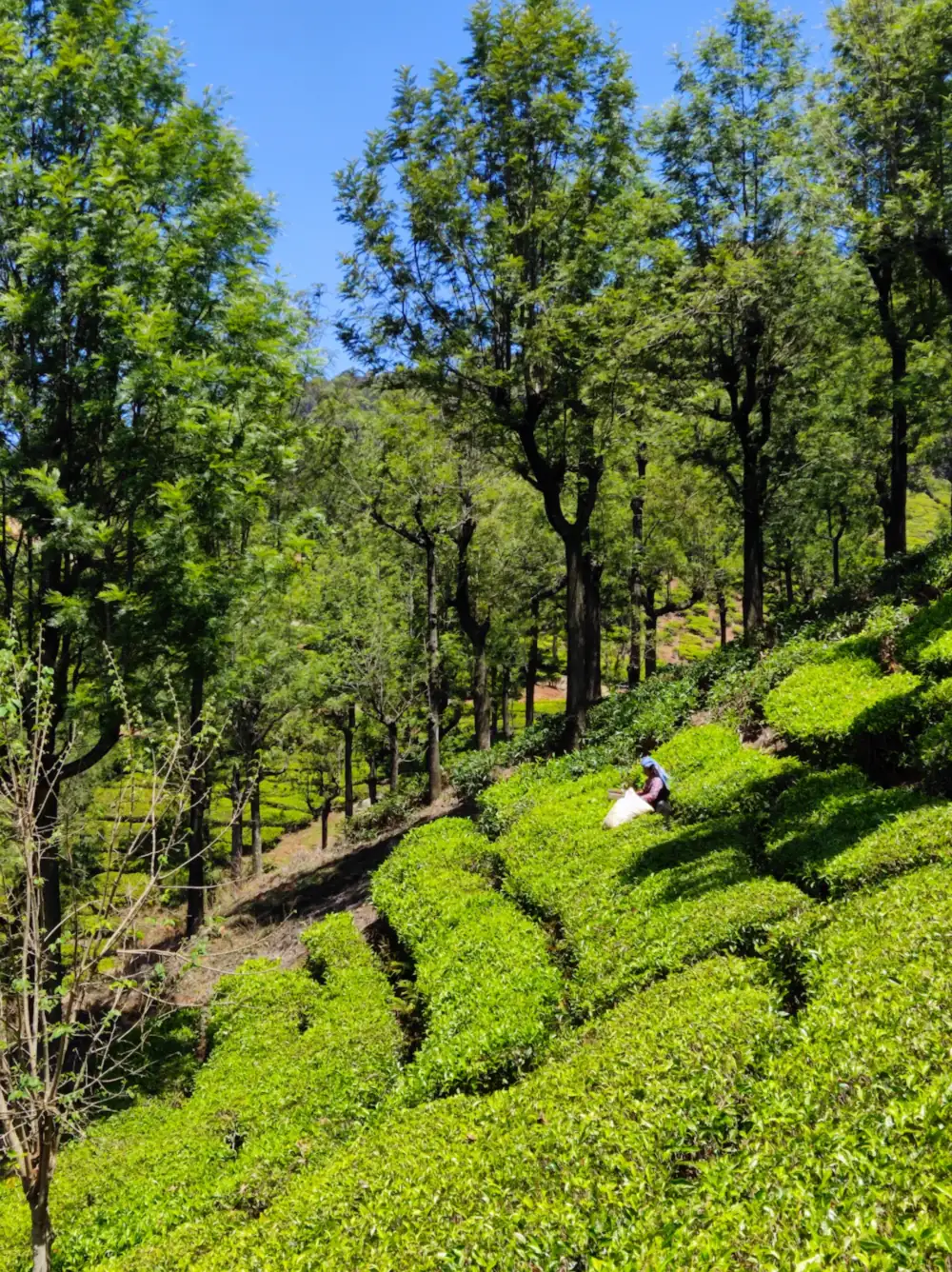
The hills were once part of Sikkim. After the Anglo-Nepalese War the British returned the land between the Mechi and Teesta rivers to Sikkim in 1817, and in 1835 the Chogyal granted the Darjeeling hill area to the East India Company, which built a sanatorium town on the ridge. Tea followed: Archibald Campbell planted the first bushes in 1841, commercial gardens began in 1856, and in 2004 Darjeeling tea became the first product in India to receive geographical indication protection. Today 87 estates are recognised as Darjeeling tea producers.
How to reach Darjeeling district
By air. Bagdogra (IXB), on the edge of Siliguri, is the airport for the whole district, with flights from Kolkata (CCU), Delhi and Guwahati. Shared and reserved taxis run from the airport and from Siliguri to Darjeeling, Kurseong and Mirik.
By train. New Jalpaiguri (NJP), on the edge of Siliguri, is the main railhead, with trains from Kolkata and across India. From NJP the 2 ft gauge Darjeeling Himalayan Railway, a UNESCO World Heritage Site since 1999, climbs through Sukna, Tindharia, Kurseong, Sonada and Ghum to Darjeeling; many visitors take only the short joy ride from Darjeeling to Ghum and back. Check current schedules with Indian Railways.
By road. Several roads climb from Siliguri into the hills: Hill Cart Road through Kurseong, and routes via Rohini, Pankhabari and Mirik. Manebhanjan, about 28 km from Darjeeling, is the usual starting point for the Singalila Ridge and Sandakphu. Landslides can close hill roads in the monsoon, so allow spare time.
Best time to visit
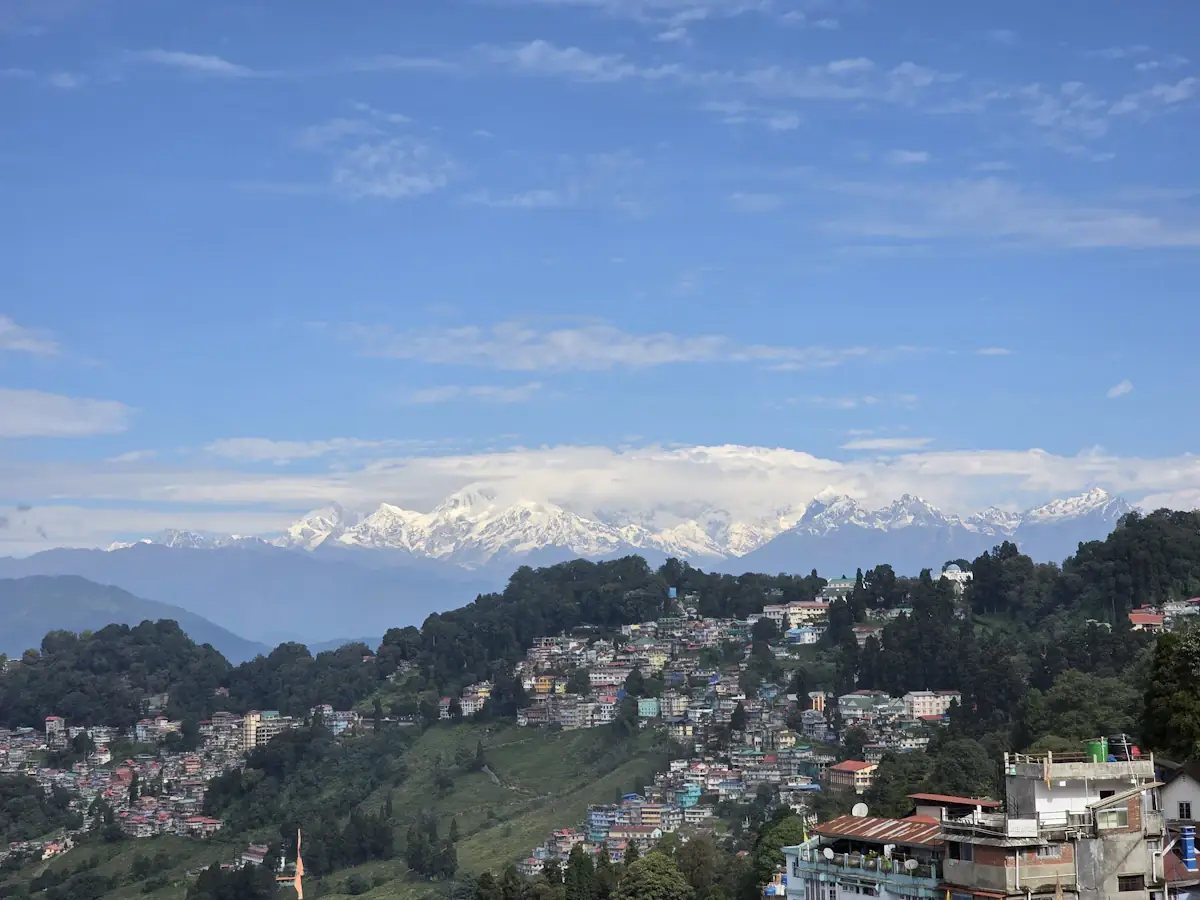
The hills receive about 3,000 mm of rain a year, most of it between June and September, when the mountains are usually hidden and roads are prone to landslides. The clearest views of Kanchenjunga come from mid-October to December; March to May brings spring flowers, rhododendrons on the Singalila Ridge and the first-flush tea season, while second-flush tea, with its muscatel flavour, is plucked in May and June. Winters are cold in Darjeeling and freezing on the ridge.
Durga Puja in autumn coincides with the best weather and the busiest holiday season, so book rooms and transport early in October.
Ways to explore
Most visitors base themselves in Darjeeling town for the sunrise at Tiger Hill, the monasteries at Ghum, the zoo and the Himalayan Mountaineering Institute, then add a night or two in Kurseong or Mirik. Quieter villages and tea-garden homestays now spread across the hills, and the Singalila Ridge offers the state's classic high-altitude trek, through Singalila National Park to Sandakphu and Phalut. Below the hills, Siliguri is the commercial hub and the gateway to the Mahananda Wildlife Sanctuary, Sevoke and the Teesta valley. The district's other protected areas include the Senchal and Jorepokhri wildlife sanctuaries.
Sightseeing guides in Darjeeling
- Netaji Subhas Chandra Bose Museum, GiddapaharKurseong
- Makaibari Tea EstateKurseong
- Mahananda Wildlife SanctuarySiliguri
- Ghoom Monastery (Yiga Choeling)Ghoom
- Rabindra Bhavan, MungpooMungpoo
- Tiger HillDarjeeling
- Batasia Loop & Gorkha War MemorialDarjeeling
- Darjeeling Himalayan Railway (Toy Train)Darjeeling
- Senchal Wildlife SanctuaryDarjeeling
- Padmaja Naidu Himalayan Zoological ParkDarjeeling
- Himalayan Mountaineering InstituteDarjeeling
- Observatory Hill & Mahakal TempleDarjeeling
- Chowrasta & the MallDarjeeling
- Japanese Temple & Peace PagodaDarjeeling
- Happy Valley Tea EstateDarjeeling
- Lloyd Botanical GardenDarjeeling
- Tibetan Refugee Self Help CentreDarjeeling
- Bhutia Busty MonasteryDarjeeling
- St Andrew's ChurchDarjeeling
- Dali Monastery (Druk Sangag Choling)Darjeeling
- Rock Garden & Ganga Maya ParkDarjeeling
- Darjeeling RopewayDarjeeling
- Dow HillKurseong
- PhalutSandakphu & Singalila
- Coronation BridgeSiliguri
- Salugara MonasterySiliguri
Darjeeling district: questions
Which is the highest point in Darjeeling district?
Sandakphu, at 3,636 m on the Singalila Ridge, is the highest point in Darjeeling district and in Paschim Banga.
What are the subdivisions of Darjeeling district?
Darjeeling Sadar, Kurseong, Mirik and Siliguri. Kalimpong was split off as a separate district in 2017.
Is Kalimpong in Darjeeling district?
No. Kalimpong became a separate district on 14 February 2017.
How many tea gardens are there in Darjeeling?
The Tea Board of India recognises 87 estates as producers of Darjeeling tea, covering about 17,500 hectares.
Which languages are spoken in Darjeeling district?
Nepali is the most common first language, followed by Bangla and Hindi. Nepali is an official language in the Darjeeling and Kurseong subdivisions.