Updated
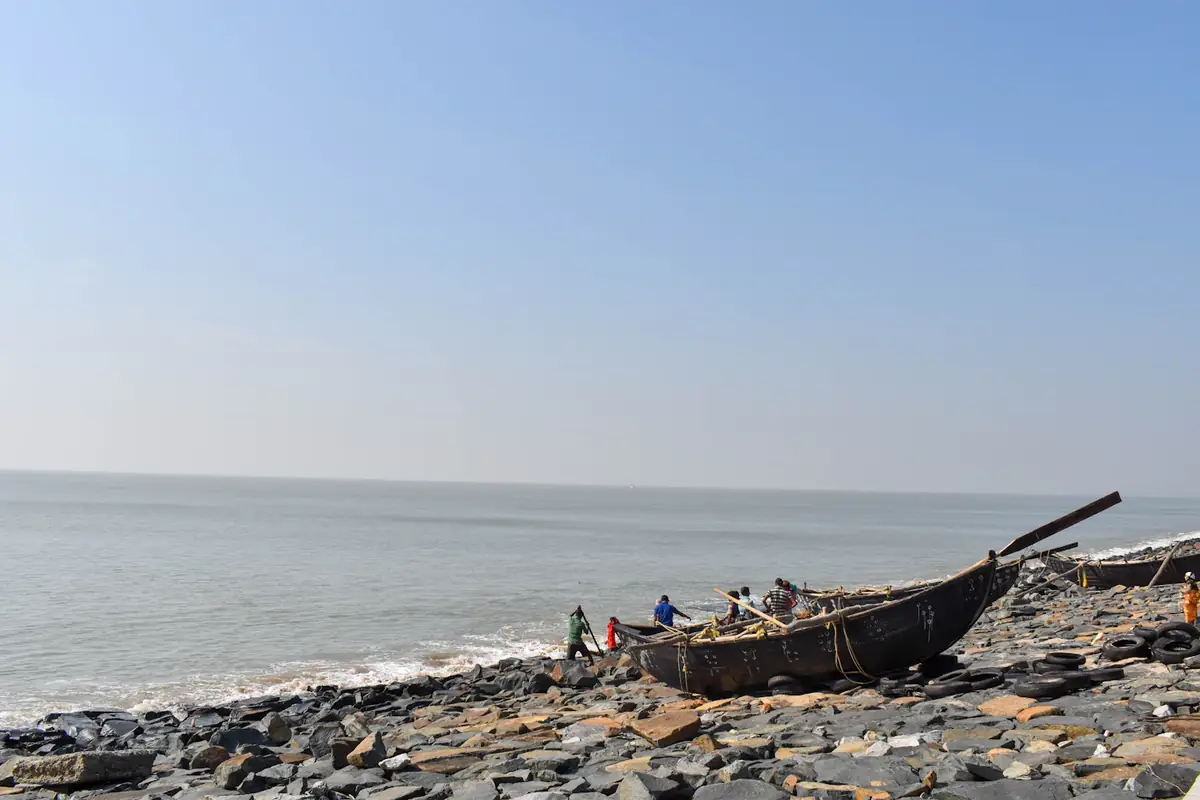
Digha's seafront is really two beaches. Old Digha, around the original town, is the busy, crowded stretch where the sea has eaten into the sand and a wall of stones and concrete steps now holds the shore. New Digha, developed about 2 km away, has a wider beach and most of the newer sights, including the Science Centre and Amarabati Park. Between them the coast is lined with casuarina plantations, which help to hold the dunes against erosion.
How Digha became a resort
The place was once known as Beerkul, and the British took notice of it in the late 18th century; Warren Hastings is said to have called it the 'Brighton of the East' in a letter to his wife in 1780. Its modern story begins with John Frank Smith, an English businessman who settled here in 1923. His writing about Digha brought it attention, and after independence he persuaded the chief minister, Dr Bidhan Chandra Roy, to develop it as a beach resort.
Old Digha
Old Digha has the classic Digha scene of crowds, stalls and hotels close to the water. Its beach has shrunk badly over the years through erosion, and storm surges have destroyed many shacks and small hotels, so much of the shore is now protected by boulders and concrete steps. The beach shelves very gently, and the district administration notes that the sea stays calm and shallow for a long way out; both sunrise and sunset can be watched from the shore. An old church stands near the main gate of Old Digha, at Alankarpur.
New Digha
New Digha has the larger, newer beach, a welcome alternative when Old Digha is packed in the cool season. Nearby are the Digha Science Centre of the National Council of Science Museums, Amarabati Park with Sindhur Tara, a newer Christian mission beside it, and the Marine Aquarium and Regional Centre, set up in 1989 to display and study the marine life of the region. The new Jagannath Temple stands by Digha railway station, inland from the beach, and the boat-shaped Digha Gate on NH 116B marks the entrance to the town.
Totos and auto-rickshaws run along the seafront between the two beaches. Bathe only in calm conditions and heed any local warnings.
Old Digha and New Digha: questions
What is the difference between Old Digha and New Digha?
Old Digha is the original, busier beach, much of it now behind a sea wall. New Digha, about 2 km away, has a wider beach and newer sights such as the Science Centre and Amarabati Park.
Why is Digha called the Brighton of the East?
Warren Hastings is said to have used the phrase in a letter to his wife in 1780.
Who developed Digha as a resort?
The Englishman John Frank Smith, who settled here in 1923, persuaded Chief Minister Bidhan Chandra Roy to develop Digha after independence.
Can you see sunrise and sunset at Digha?
Yes. Both can be seen from Digha's beach.