Updated
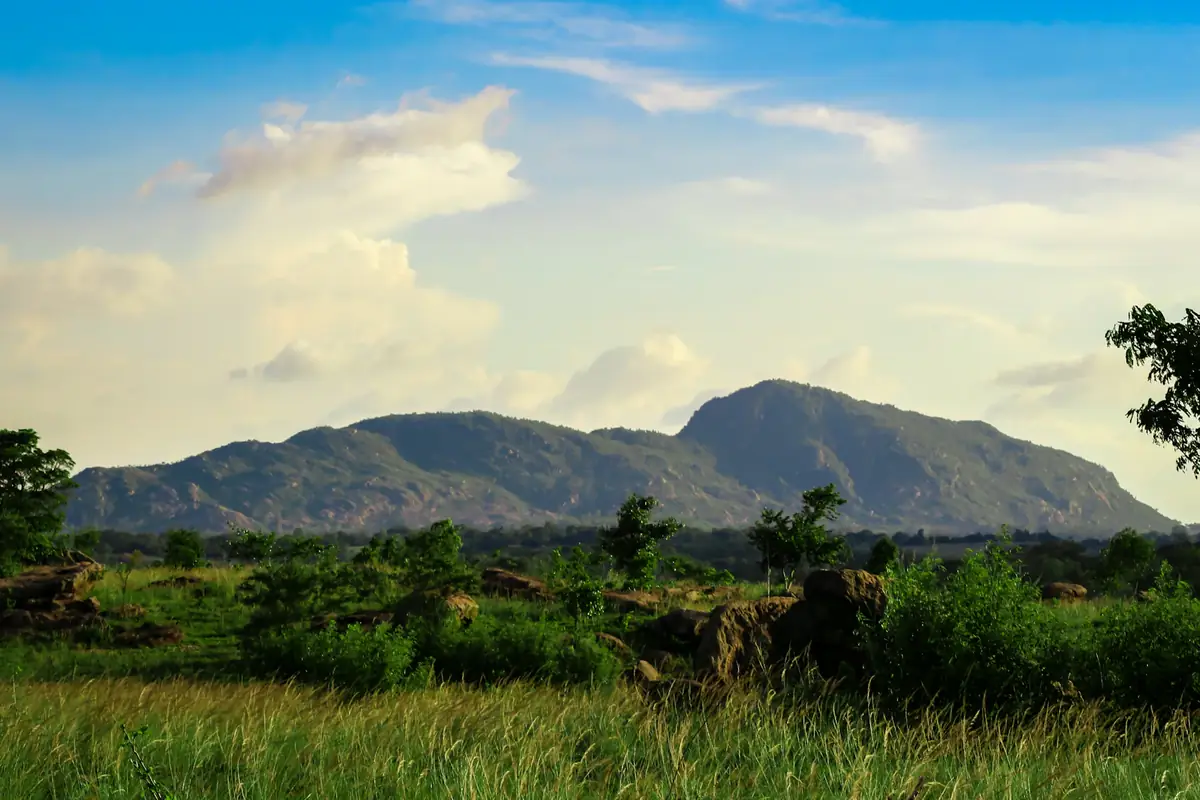
Maithon Dam holds back the Barakar river on the border between Paschim Banga and Jharkhand, about 25 km from Asansol and 48 km from Dhanbad. Built by the Damodar Valley Corporation and opened in 1957, it created one of the largest reservoirs in the region, ringed by low wooded hills.
About the dam
Maithon was built for flood control, irrigation and power as part of the Damodar Valley Corporation's scheme to tame the Damodar and its tributaries. Its reservoir covers about 65 square kilometres, the largest in the DVC system.
The dam's hydroelectric station, with three 20 MW units, is built underground in the left bank. It is often described as the first underground hydroelectric power station in South East Asia.
Figures for the dam's size vary between sources; it is roughly 50 m high and more than 4 km long including its embankments.
Things to do at Maithon
Take a boat out on the reservoir, walk along the dam at sunset, and look out for birds on the water in winter. In the cool months the lakeshore is a popular picnic spot, so weekends can be busy.
Kalyaneshwari Temple is about 5 km downstream, and the Begunia temples at Barakar are on the way from Asansol. The Panchet dam on the Damodar and the fort ruins of Garh Panchkot make a good longer day out.
How to reach Maithon Dam
From Asansol, drive or take a bus west along the Grand Trunk Road via Kulti and Barakar, about 25 km. The nearest railway stations are Kumardubi and Barakar on the Asansol–Dhanbad line, with Asansol Junction the main station for long-distance trains. From Kolkata, allow about 5 to 6 hours by road.
Maithon Dam: questions
Is Maithon Dam in West Bengal or Jharkhand?
It lies on the border. The dam spans the Barakar river between Dhanbad district in Jharkhand and Paschim Bardhaman district in Paschim Banga (West Bengal).
How far is Maithon Dam from Asansol?
About 25 km, roughly 45 minutes by road.
When was Maithon Dam built?
It was built by the Damodar Valley Corporation and opened in 1957.
What is the best time to visit Maithon Dam?
October to February, when the weather is cool and the reservoir is full after the monsoon.